I have always been a goal-oriented person. As a child, from around 9 to 13 years old, I was certain that I wanted to be a writer “when I grew up.” I wrote children’s fantasy books, letting my fertile

imagination take flight by creating stories where animals spoke to humans and became the children’s best friends.
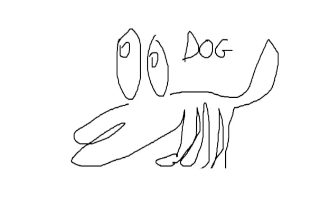
When I turned 13, I even wrote a short love story. These books were for my three sisters to read during the summers, and my mom has kept them to this day. They were handwritten, with the pages glued together, and I even illustrated them—though my drawing talent was never the highlight, a fact that remains true to this day.
 At one point, I also thought I would start a business selling something. I began by selling limes from my parents’ farm because I was determined to earn money on my own.
I formally entered the workforce at the age of 16, working as a junior secretary at a language school. A piece of the puzzle was placed for me to choose my career more than a decade later.

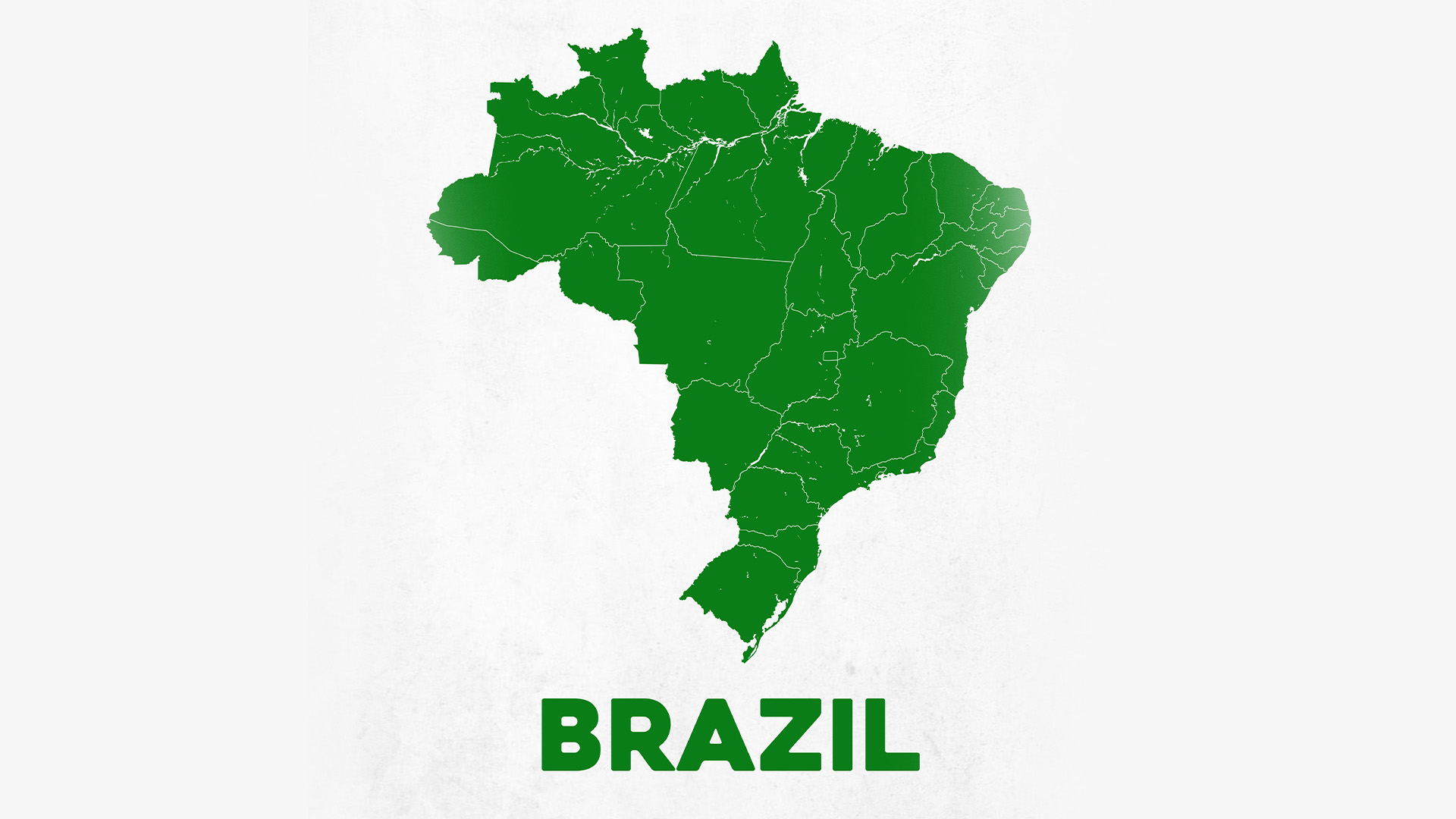
Life as a countryside girl in Brazil can often be shaped by parents, the church, or elders who care about you.
I ended up moving to São Paulo to study theology, driven by a desire to do something meaningful with my life, serve others, and make my deeply religious Christian family proud. During this time, I got married, became a missionary, and took on the roles of mother and wife. My missionary work took me to Bolivia, South Africa, and England.
I followed their expectations for a while, but then I decided to make my own choices, even when they were difficult and came with a high price — including the freedom to make those decisions.
My first decision was to pursue a career that would allow me to become financially independent.

What was I good at? I knew I couldn’t make a living as a writer, and I wasn’t good enough at it to become a professional. What did I like? What profession could I choose that I both enjoyed and that would also make me financially independent?
I had many questions as I considered what to study to have a career. I was so insecure that I didn’t even attempt to study at a federal university, which, being public and tuition-free, is regarded as the best in the country. That would have been my only chance to attend university, as private institutions are easier to get into but prohibitively expensive.

The only way I could study at a public university was by passing the tough entrance exam.
I worked hard to prepare for the entrance exam, studying day and night while juggling the responsibilities of motherhood and a job as an assistant teacher at a language school. My efforts, sacrifices, and focus paid off when I placed first in the entrance exam for the Federal University of Rio Grande do Norte, in northeastern Brazil, where I had been living since returning from England.
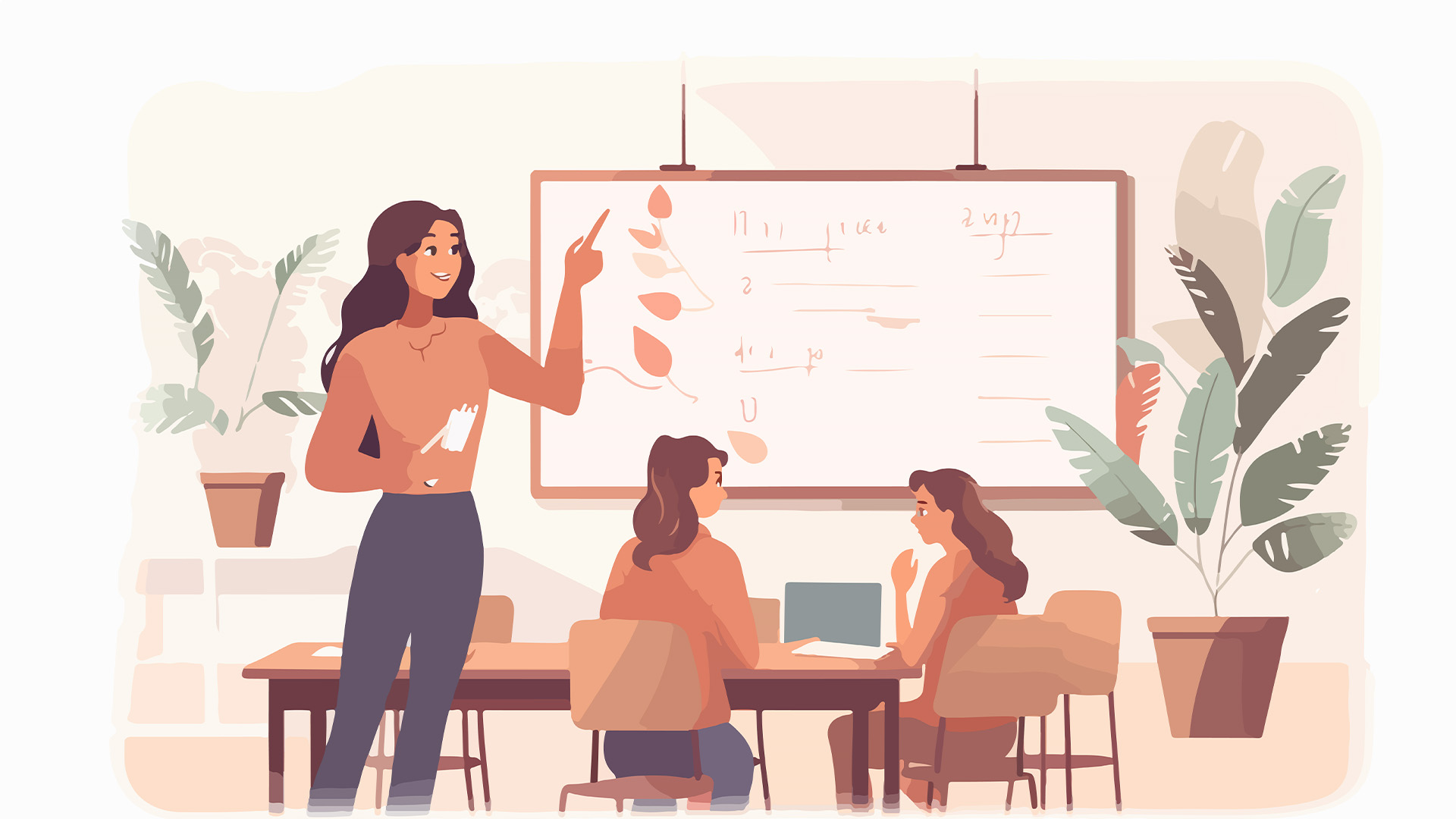
I was 27 years old when I entered university to become a language teacher. My choice to pursue a career in teaching was met with disapproval from some family members who argued, “A teacher? One of the worst-paid professions in the country!” In fact, being a school teacher in my country comes with struggles, particularly financial ones.

Despite the challenges, I finished my undergraduate course, balancing motherhood and working to make ends meet. I was determined to give my best as both a person and a professional in teaching. A quote from Dickens’ David Copperfield became my life motto: “My meaning simply is, that whatever I have tried to do in life, I have tried with all my heart to do well… I have always been thoroughly in earnest.”
I was genuinely satisfied with my decision to become a teacher, though I was aware that to achieve a more sustainable income, I would need to become a university professor. So, I created a master plan: I would become a professor at a public university in Brazil.
Public universities in Brazil are known for being the most prestigious in the country, and a tenure-track position became my new goal. To achieve it, I needed to pursue a master’s and doctorate to meet the academic requirements.
After completing my undergraduate degree, I applied for a master’s program. I had already published a paper on bilingual education as part of my undergraduate dissertation. I submitted my qualifications, passed the difficult selection exam, and defended a research project. I was accepted into the master’s program with a scholarship from the Brazilian government.
While working toward my master’s, I continued to build my career as an English as a Foreign Language (EFL) teacher in private schools in Rio Grande do Norte. Along with teaching, I often took on leadership roles such as principal or coordinator to increase my income.
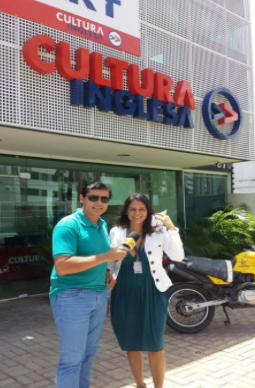
One of my most significant roles was at a school called Cultura Inglesa, where I taught EFL for almost 10 years and held a leadership role at one of its branches.
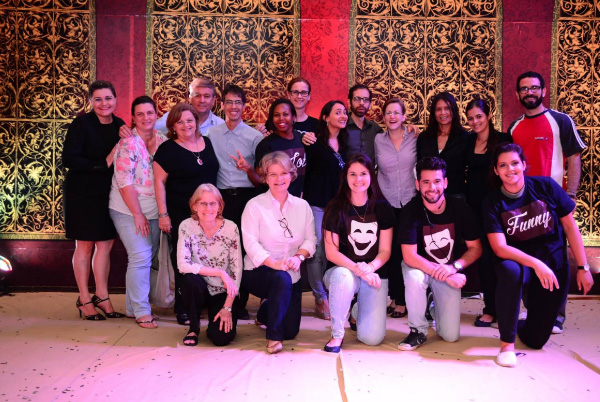
I also coordinated and developed bilingual projects in various schools in Rio Grande do Norte.
I’ve always agreed with Plato, who, in the Socratic dialogue Republic, famously wrote: “Our need will be the real creator.” Later, someone adapted this into the well-known phrase, “Necessity is the mother of invention.”
During that time—teaching at two schools and coordinating bilingual programs at another—was the first time I realized, out of necessity, the need to increase my income. I began teaching English online via Skype (the only platform available at the time) and Portuguese to foreigners, focusing on business professionals working in Brazil. The course was called VIP, offered in an online format and with small groups in a coworking space. It became a highly successful project.
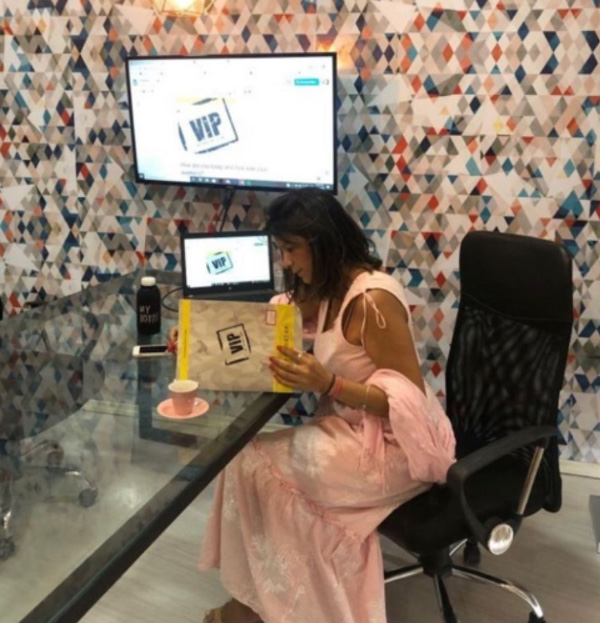
The funny thing is that, although increasing my income was the primary goal, I would often fall in love with my teaching projects. I became so committed and thrilled to see my students learning and becoming fluent in English or Portuguese (for foreigners). My creative mind would flow, and my projects were designed to have long, successful lives.
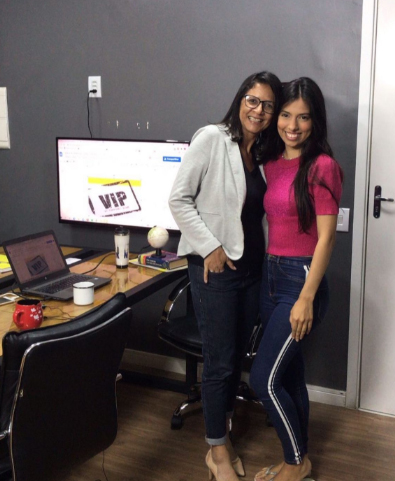
In my field—teaching languages and education, particularly in Brazil—having a PhD is essential if you want to become a university professor. I earned a spot as a doctoral student again at my university, though not on my first attempt, as I had with my master’s degree. There were many bumps along the way, but I finally secured a place with a scholarship in 2018.
I was living a dream. My online course was a success, and I was able to manage my time, allowing me to be fully available for my university commitments. I co-taught with my supervisor, advised undergraduate and master’s students, and organized international events in collaboration with partner universities worldwide. I also served as the international liaison, welcoming students and guest professors from abroad. My language skills, as well as my social and organizational abilities, were invaluable during the first two years of my doctoral studies.
Then, I received funding from a government internationalization program to conduct part of my research at the Sociolinguistics Department of the University of Lleida in Catalonia, Spain.

I arrived in Lleida, a small university town in Catalonia, on January 7, 2020.
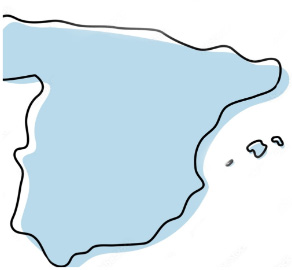
I was full of dreams, self-motivation, and a strong network, with an amazing supervisor to guide my research. I was ready for an incredible year abroad, funded by the Brazilian educational department—a true privilege. However, life is not linear and doesn’t always go according to plan.
The COVID-19 pandemic escalated quickly in Spain, and by March, the borders were closed, and no one could enter or leave the country. My immediate goal shifted to staying healthy, both physically and mentally. Resilience became key, as I had to reframe some of my plans, adapt, and learn new skills to fully immerse myself in the digital world.
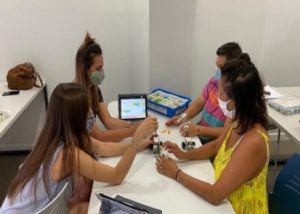
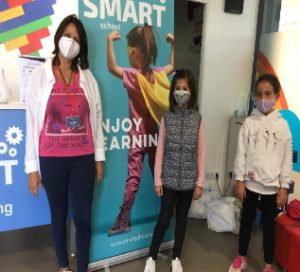
From August to November 2020, things seemed to brighten up, and my research began to take on new directions and perspectives. I developed a syllabus for an ESL school that integrated technology, including robotics, coding, and pre-coding, as tools for teaching English as a second language. My research aimed to explore innovative methodologies in language teaching that could offer new possibilities for public schools in Brazil.
I returned to Brazil at the end of 2020 and once again had to reinvent myself, establishing new projects to survive financially and complete my research and PhD thesis. I restructured my school, which was no longer called VIP as it had been in 2017. I renamed it Fully Fluent Academy (FFA), a digital English school for Brazilian professionals. I hired teachers, trained them in the communicative approach I believe in for language teaching, and created financial stability and flexibility to finish my doctorate.
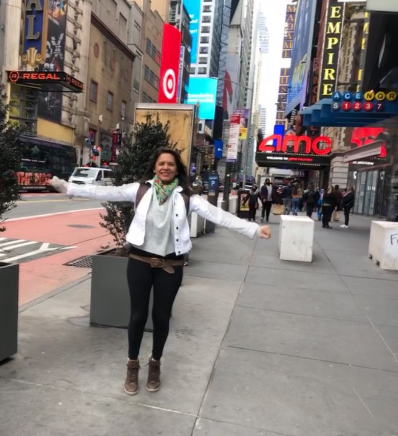
After defending my thesis in March 2022, I no longer felt the desire to settle as a university professor in Brazil. At the same time, I entered a new phase of my life as an empty nester, and with my school operating fully online, I decided to fulfill a long-held dream: to live in New York City.

This time, I didn’t overthink or plan too much. I had a valid visa, an up-to-date passport, some money, a few friends in the city, and a lot of courage. I just needed to trust my gut. It was time to take another leap of faith into the unknown. Like the fool—the first character in the hero’s journey—I threw myself into it and landed in NYC on March 27, 2022. I had made it in other countries before, so I knew I could make it here as well.
Since then, it’s been a journey of new possibilities, discoveries, learning, and open doors. I don’t have everything figured out, but I love teaching, and I’m doing that here. I love the city, and for now, that’s enough. I don’t know what the future holds, but I’m embracing the uncertainty. I’m planning less this time. I’ll play some cards career-wise, but I’ll also play it by ear and see what NYC has in store for me. As Frank Sinatra said in his famous song “New York, New York,” I’m doing my part, and now “it’s up to you,” New York.